
How Often Should Restaurants in Murfreesboro Clean Their Ice Units
“Clean ice units are the silent guardians of every restaurant’s service and safety. Regular maintenance in Murfreesboro keeps ice pure, operations smooth, and customers coming back for more.” - A+ Appliance Repair
Introduction: Why Ice Unit Cleaning Matters for Murfreesboro Restaurants
In any restaurant, ice is more than just frozen water—it is an essential ingredient that keeps drinks crisp, ingredients fresh, and service flowing smoothly. For Murfreesboro restaurants, a clean ice unit is critical to maintaining both operational efficiency and customer safety. Neglecting this vital piece of equipment can result in contamination, equipment damage, and even regulatory violations. Proper cleaning routines ensure ice quality, protect health, and extend the life of your machines.
The Role of Ice in Food Safety and Beverage Service
Ice functions as an unsung hero in restaurants. It chills beverages, preserves perishables during prep, and even enhances presentation. Because ice directly contacts food and drinks, its quality directly affects safety. Dirty ice units can introduce bacteria, mold, and other contaminants, posing serious risks to patrons and staff alike.
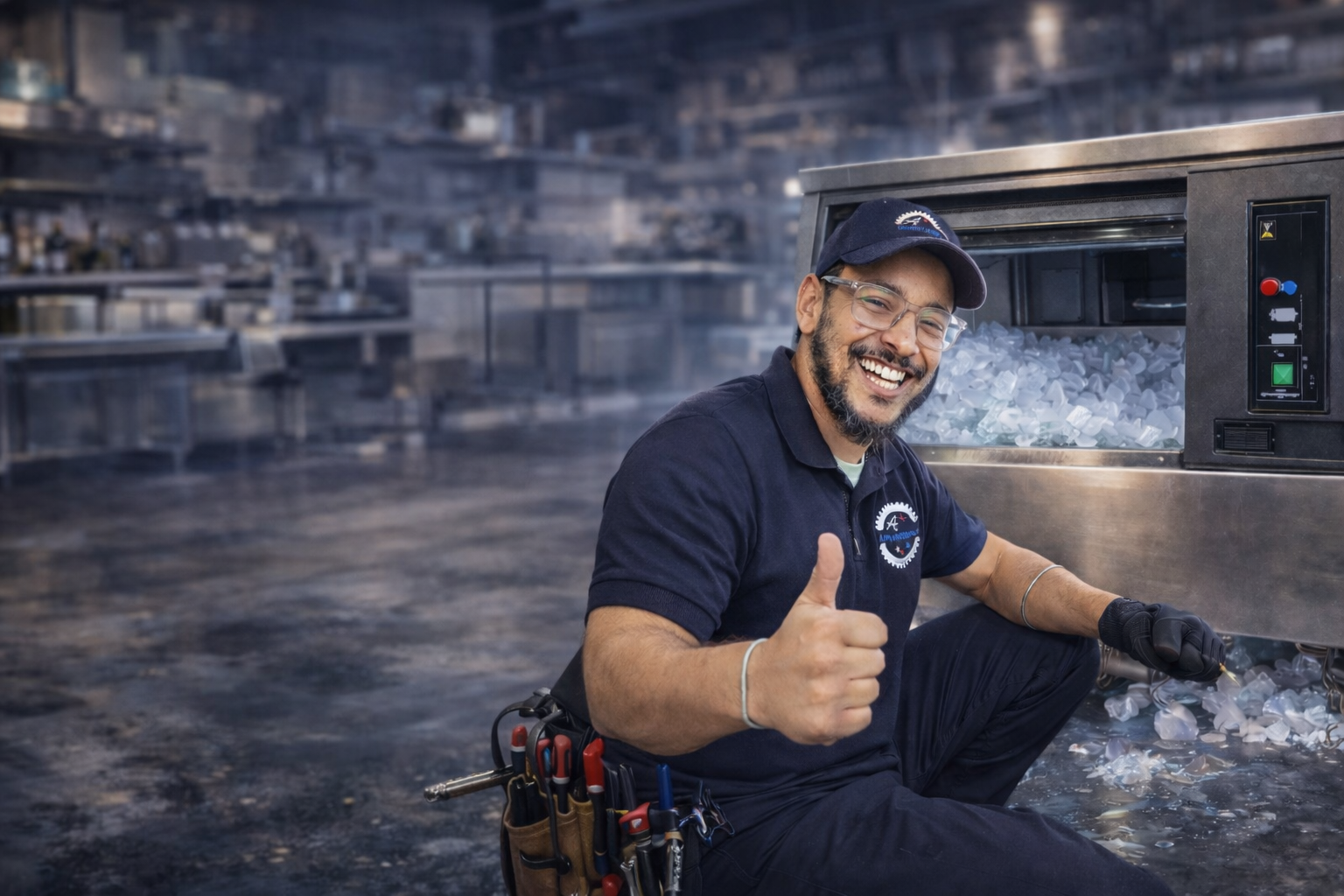
How Dirty Ice Units Affect Customer Experience
Customers may not notice the machine itself, but they notice the results. Cloudy, off-tasting, or contaminated ice diminishes perceived quality. Slow ice production can delay service, frustrate staff, and create bottlenecks in busy kitchens. Every detail—from beverage temperature to presentation—is influenced by a well-maintained ice machine.
Understanding the Risks of Neglected Ice Machines
A neglected ice unit invites a host of operational problems. From mineral scale buildup to microbial growth, problems compound quickly if left unattended. Over time, minor inefficiencies evolve into costly repairs or full replacement, resulting in lost revenue and downtime during peak service hours.
Health Code Regulations for Commercial Ice Units
In Murfreesboro, ice is regulated as a food product. Local and federal health codes require routine cleaning and sanitation to prevent contamination. Violations can lead to fines, closure, or failed inspections, making regular ice unit maintenance not just recommended but legally mandated.
Signs Your Ice Unit Needs Immediate Cleaning
Watch for telltale signals: unpleasant odors, cloudy or off-flavored ice, slow production, excess water in bins, and visible buildup inside the machine. Ignoring these warning signs can escalate minor issues into emergency breakdowns that interrupt service.
Common Contaminants Found in Ice Machines
Ice machines can harbor bacteria, mold, slime, and mineral deposits. Even clean water can carry microscopic organisms, while dust, food debris, and moisture accumulate inside machinery. Contaminants affect both taste and safety, making proactive cleaning crucial.
Bacteria, Mold, and Slime: What to Watch For
Biofilms can form on evaporator plates, water lines, and bin surfaces, creating breeding grounds for harmful microbes. These organisms thrive in warm, damp environments typical inside ice units. Regular cleaning prevents microbial growth, reducing the risk of health code violations.
Mineral Buildup and Hard Water Effects
Hard water leads to mineral scale accumulation on evaporator plates, water nozzles, and internal tubing. This scale restricts water flow, reduces ice output, and strains mechanical components. Using descaling solutions and filtered water minimizes buildup and preserves efficiency.
How Often Restaurants Typically Clean Ice Units
Most restaurants perform light cleaning daily, moderate cleaning weekly, and deep cleaning monthly or quarterly. High-volume or older machines may require more frequent attention. Regular routines maintain ice quality and avoid unexpected failures.
Manufacturer Recommendations for Cleaning Frequency
Ice machine manufacturers provide cleaning guidelines specific to each model. Following these recommendations ensures warranty compliance and optimal performance. Ignoring manufacturer guidance can accelerate wear and reduce lifespan.
Daily Ice Unit Maintenance Tasks
Daily routines include wiping exterior surfaces, checking for leaks, emptying excess water, and inspecting ice quality. Quick visual checks prevent small issues from becoming serious problems and keep operations smooth.
Weekly Cleaning Checklists for Staff
Weekly tasks include cleaning door gaskets, vents, and bin interiors, as well as running approved cleaning solutions through the system. Staff training ensures these steps are completed consistently.
Monthly Deep Cleaning Procedures
Monthly cleaning involves full machine disassembly where appropriate, sanitizing water lines, evaporator plates, and storage bins. Removing scale and debris ensures efficient operation and prevents contamination.
Seasonal Cleaning Considerations for Busy Periods
Summer months in Murfreesboro increase stress on ice units due to heat, humidity, and higher demand. More frequent checks and pre-season cleaning can prevent breakdowns during peak periods.
Tools and Cleaning Supplies Restaurants Should Use
Use manufacturer-approved cleaning solutions, soft brushes, microfiber cloths, and sanitizing agents. Avoid abrasive tools that can damage delicate components or void warranties. Proper supplies ensure safe and effective maintenance.
DIY Cleaning vs Professional Sanitation Services
Staff can handle daily and weekly maintenance, but deep cleaning, descaling, and electrical diagnostics require trained technicians. Professional service ensures compliance, safety, and optimal machine performance.
Consequences of Skipping Regular Ice Unit Maintenance
Neglecting routine cleaning leads to decreased ice quality, microbial contamination, mechanical wear, and potential fines. Over time, the cost of emergency repairs or replacement far outweighs regular maintenance investment.
Cost of Neglected Ice Units: Repairs and Health Violations
Unclean ice machines increase utility costs, accelerate part failures, and risk fines from health inspections. The financial impact includes emergency service fees, lost business during downtime, and potential reputational damage.
How Proper Cleaning Extends Equipment Lifespan
Routine maintenance prevents scale, microbial growth, and mechanical strain. Clean machines run efficiently, reduce energy use, and last longer—saving money and avoiding unexpected downtime.
Tips to Schedule Ice Unit Cleaning Without Disrupting Service
Plan cleaning during off-peak hours or between prep cycles. Use backup ice storage when necessary. Structured schedules minimize service disruption and maintain smooth operations.
Staff Training and Responsibilities for Ice Unit Care
Train staff on daily inspections, proper cleaning techniques, and signs of malfunction. Clear responsibilities ensure consistency, prevent mistakes, and maintain compliance with safety standards.
Creating a Cleaning Log for Compliance and Accountability
Documenting each cleaning and maintenance task provides accountability, supports health inspections, and helps track recurring issues. A log encourages routine adherence and highlights needed improvements.
Preventive Measures to Reduce Ice Machine Contamination
Use filtered water, avoid storing non-food items near ice bins, maintain ventilation, and sanitize tools. Preventive practices complement routine cleaning and enhance ice quality.
How Local Water Quality in Murfreesboro Impacts Cleaning Frequency
High mineral content in local water accelerates scale buildup, necessitating more frequent cleaning. Understanding regional water chemistry helps tailor cleaning schedules to maintain efficiency.
Emergency Cleaning Situations: When Immediate Action Is Required
Spills, contamination, or sudden odors demand immediate attention. Quick response prevents customer complaints, protects health, and avoids potential fines.
Best Practices for Maintaining Optimal Ice Quality
Combine daily care, scheduled deep cleaning, and preventive measures. Regular inspections, proper sanitization, and timely professional service ensure ice remains safe, clear, and consistent.
Conclusion: Staying Compliant and Safe with Regular Ice Unit Cleaning
Regular ice unit cleaning protects your staff, customers, and bottom line. Proactive maintenance prevents contamination, reduces repair costs, and keeps your restaurant running efficiently.
Call to Action: Schedule Professional Ice Unit Service in Murfreesboro
Ensure your ice units operate at peak performance. Contact professionals to handle deep cleaning, repairs, and preventive maintenance.
Phone: (629) 260-3232
Email: [email protected]
Professional service keeps your restaurant safe, compliant, and serving ice your customers can trust.
Frequently Asked Questions (FAQs)
Q: How often should restaurants in Murfreesboro clean their ice units?
A: Most restaurants perform light daily cleaning, weekly moderate cleaning, and monthly or quarterly deep cleaning. High-volume kitchens may require more frequent attention.
Q: Can staff safely clean ice units themselves?
A: Staff can handle daily and weekly maintenance like wiping surfaces, checking ice quality, and clearing vents. Deep cleaning, descaling, and electrical work should be handled by certified technicians.
Q: What are the risks of not cleaning ice units regularly?
A: Neglecting cleaning can lead to bacteria and mold growth, mineral scale buildup, equipment damage, poor ice quality, failed health inspections, and costly emergency repairs.
Q: How does Murfreesboro’s water quality affect ice unit maintenance?
A: Hard water with high mineral content accelerates scale buildup, reducing efficiency and ice production. Machines in areas with hard water require more frequent cleaning and descaling.
Q: Are ice units considered a food product under health codes?
A: Yes. Since ice comes in direct contact with beverages and food, it is regulated as a food product, requiring regular cleaning, sanitizing, and proper maintenance.
Q: What signs indicate an ice unit needs immediate cleaning?
A: Cloudy or off-tasting ice, unpleasant odors, slow ice production, water pooling in bins, or visible buildup inside the machine all indicate the unit needs urgent attention.
Q: How does regular cleaning extend the lifespan of an ice unit?
A: Cleaning prevents mineral and microbial buildup, reduces strain on components, maintains efficiency, and lowers the risk of breakdowns, which prolongs the equipment’s lifespan.
Q: Can skipping professional cleaning void the ice machine warranty?
A: Yes. Most manufacturers require adherence to cleaning and maintenance guidelines. Skipping professional servicing or ignoring recommended schedules can void warranties.
Q: What tools and cleaning supplies are recommended for ice unit maintenance?
A: Use manufacturer-approved sanitizers, descaling solutions, soft brushes, microfiber cloths, and proper protective equipment to safely clean and maintain your ice units.
Q: How can restaurants minimize downtime during ice unit cleaning?
A: Schedule cleaning during off-peak hours, maintain backup ice storage, and follow a structured cleaning routine. Professional technicians can also complete deep cleaning efficiently to reduce service disruption.
